Holiday Spending Plans Collapse As Economic Confidence Hits 17-Month Low As A ‘Sea Of Despair’ Spreads Through The Bottom 90% – Financial Freedom Countdown

U.S. consumers are entering the holiday season with sharply deteriorating confidence in both the economy and the job market.
Gallup’s November polling period overlapped with the end of the nation’s longest government shutdown, a choppy stock market, and persistent labor-market uncertainty; creating a perfect storm for souring sentiment. That shift is now clearly visible in both consumer attitudes and holiday spending intentions.
Confidence Index Slides to Levels Last Seen in 2024
Gallup’s Economic Confidence Index dropped seven points in November, falling to –30, the weakest reading since July 2024. Both components of the index slipped: fewer Americans now believe the economy is in good shape, and even fewer think it’s improving.
Just 21% call current conditions “excellent” or “good,” while 40% label them “poor.” A mere 27% think things are getting better; a low not seen since mid-2024.
From Post-Election Optimism to Renewed Pessimism

The confidence rebound seen immediately after Donald Trump’s reelection; driven mainly by Republicans, has largely evaporated.
After peaking at –14 late last year, the index drifted in a narrow negative range throughout 2025 before plunging sharply in October and again in November.
What was once cautious optimism has now turned into broad economic unease.
Labor Market Fears Return

The share of Americans who say it’s a good time to find a quality job has tumbled to 33%, the lowest since the end of Trump’s first term during the lockdowns.
Most respondents now believe it’s a “bad time” for job seekers. Those results came before the delayed September jobs report, which showed solid hiring but a troubling uptick in unemployment to 4.4%.
For many Americans, the job market no longer feels like the bright spot it once was.
Record Drop in Holiday Spending Intentions

Americans now estimate they will spend an average of $778 on gifts this season; down a stunning $229 from October. That is the largest October-to-November drop Gallup has ever recorded, even steeper than the fall seen during the 2008 financial crisis.
The number also sits far below last year’s November estimate of $1,012, signaling a dramatic pullback in consumer holiday budgets.
High-Income and Low-Income Households Both Pull Back

Holiday spending cutbacks are broad-based.
High-income earners now plan to spend $1,230, a sharp drop from October’s $1,479. Low-income households show an even more dramatic retreat; from $651 in October to just $384 today.
Middle-income households are the only group whose plans have held roughly steady, suggesting the financial pressure is most acute at the top and bottom of the economic ladder.
Consumers Cut Budgets; But Won’t Admit It

Despite the record contraction in spending estimates, only 29% of Americans say they’ll spend less than last year.
A majority; 53% claim they’ll spend “about the same.” The disconnect underscores how consumers’ stated intentions often lag behind reality, and how deeply uncomfortable people are admitting financial strain.
The Government Shutdown’s Lingering Damage

Although the shutdown is over, its aftereffects clearly shaped November sentiment.
Millions of Americans saw delayed paychecks, suspended benefits, and widespread service disruptions.
For consumers already uneasy about inflation, interest rates, and job security, the shutdown reinforced the sense that the economy is unpredictable and unstable.
K-Shaped Economy Highlights a Growing Psychological Divide

Economist Peter Atwater, known for popularizing the “K-shaped” recovery concept, says the current moment is defined by a split not just in income; but in confidence.
High-income Americans feel powerful, insulated, and emboldened by soaring stock portfolios. Meanwhile, lower-income households face what Atwater calls a “sea of despair.”
A Crisis Driven by Feelings, Not Just Data

Atwater argues that economists have focused too much on charts and not enough on emotions. “What motivates us to act isn’t the economy, but our feelings about the economy,” he said.
Low-income Americans feel more vulnerable than ever, with wage growth slowing, subprime borrowing rising, and essential costs remaining high.
Risk-Taking Surges at the Top of the K
While the bottom half pulls back, America’s wealthiest households; who own nearly 93% of all stocks are embracing risk.
The AI boom has fueled runaway enthusiasm, with mega-cap tech stocks driving about three-quarters of S&P 500 gains since late 2022.
Many high-income Americans now feel permanently wealthy, making them less cautious and more vulnerable to a shock if markets stumble.
Retailers Fear a 2008-Style Season
Holiday retail executives hoped early-season shopping trends would rebound once the shutdown ended. But with consumer confidence now deeply negative and spending intentions collapsing, expectations for a strong holiday season are fading fast.
This year’s $229 drop in expected spending is worse than the decline seen in 2008; a year when retail sales ultimately contracted.
A Nation Drifting Toward Two Economic Realities

The growing divergence between high- and low-income Americans is reshaping everything from spending habits to workplace behavior.
Some lower-income workers feel increasingly stuck in their jobs, fostering resentment and disengagement.
At the same time, wealthier Americans continue to invest aggressively, convinced that markets; and their financial status will stay strong indefinitely.
The Political Fallout Could Be Significant
Atwater warns the psychological gulf between the top and bottom of the K is becoming politically combustible.
As economic stress piles up for millions of Americans, frustration may turn to backlash; mirroring global patterns where rising costs and perceived indifference from elites trigger unrest.
In the U.S., the mood has already contributed to President Trump’s persistently weak job-approval ratings.
A Crisis of Confidence, Not Just Economics

Economic confidence is weakening at the very moment households are expected to spend the most. The result is a holiday season clouded by doubt, diminished budgets, and widening inequality.
Whether the pessimism fades; or deepens will depend not only on economic data, but on whether American consumers feel the system is working for them.
Seniors Receiving Their COLA Notices This Week Are Shocked As the 2.8% Raise Already ‘Wiped Out’ by Rising Costs

Most older Americans say the much-anticipated 2.8% Social Security cost-of-living adjustment for 2026 is already falling short. As COLA letters land in mailboxes this week, a striking 77% of Americans age 50 and over tell AARP the increase doesn’t come close to matching real inflation; and experts warn that rising Medicare premiums could wipe out what little boost retirees are getting.
Trump Accounts Just Got a $6.25 Billion Boost And Here’s How Kids Could Become Millionaires

President Trump’s signature “One Big Beautiful Bill” created tax-advantaged “Trump Accounts” to give American children an investment-powered jumpstart in life. The program just expanded dramatically after Michael and Susan Dell announced a $6.25 billion donation; a contribution large enough to fund $250 deposits for 25 million children across the country.
Trump Accounts Just Got a $6.25 Billion Boost And Here’s How Kids Could Become Millionaires
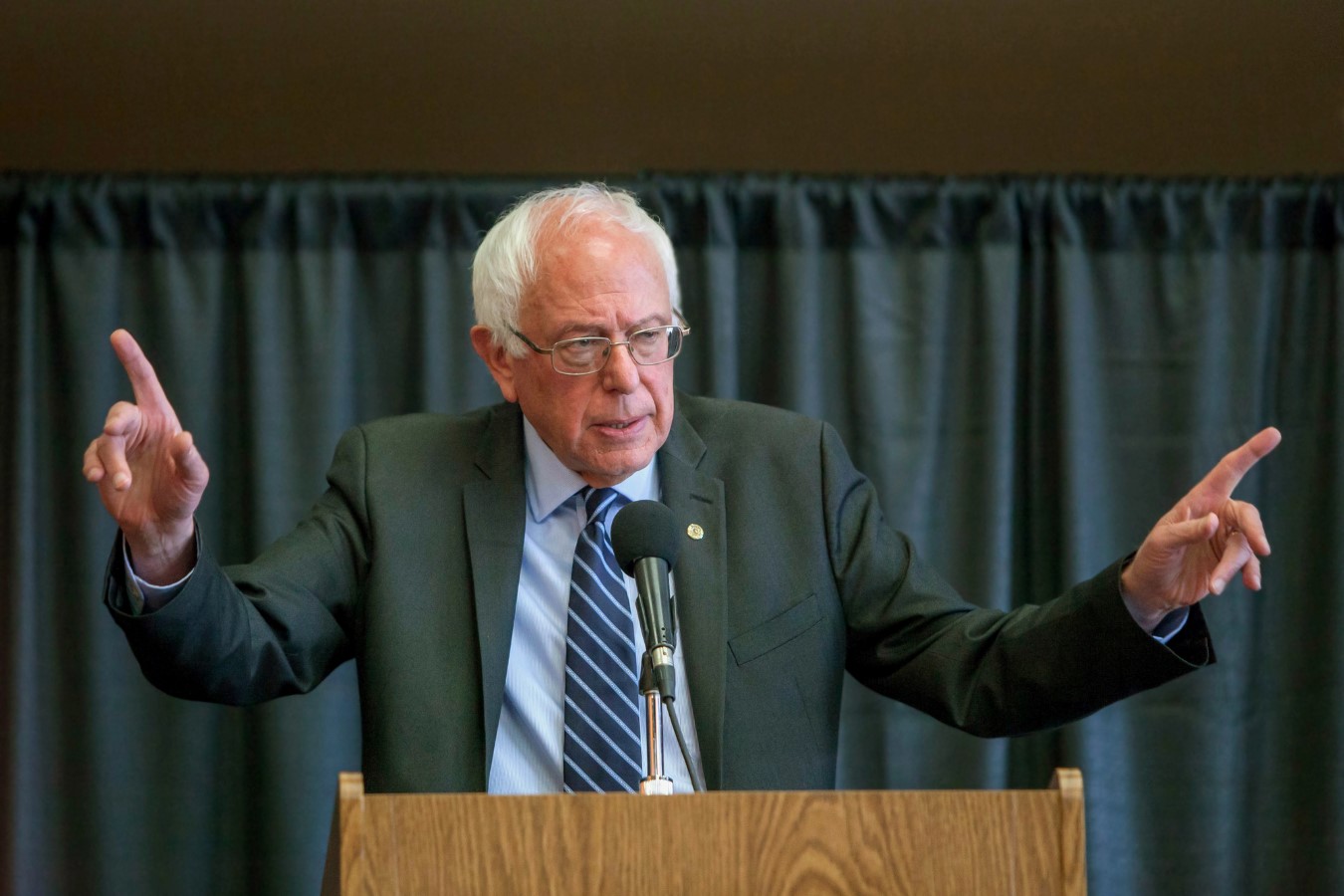
A new proposal in Congress aims to substantially increase Social Security survivor benefits for widowed individuals and surviving divorced spouses. The plan arrives as roughly 5.8 million Americans rely on survivor benefits nationwide; nearly 4 million of them widowed and many struggle under rules that reduce payouts for younger survivors or those with disabilities.
Democrats Push Major Social Security Boost for Widows; Even as Insolvency Deadline Nears
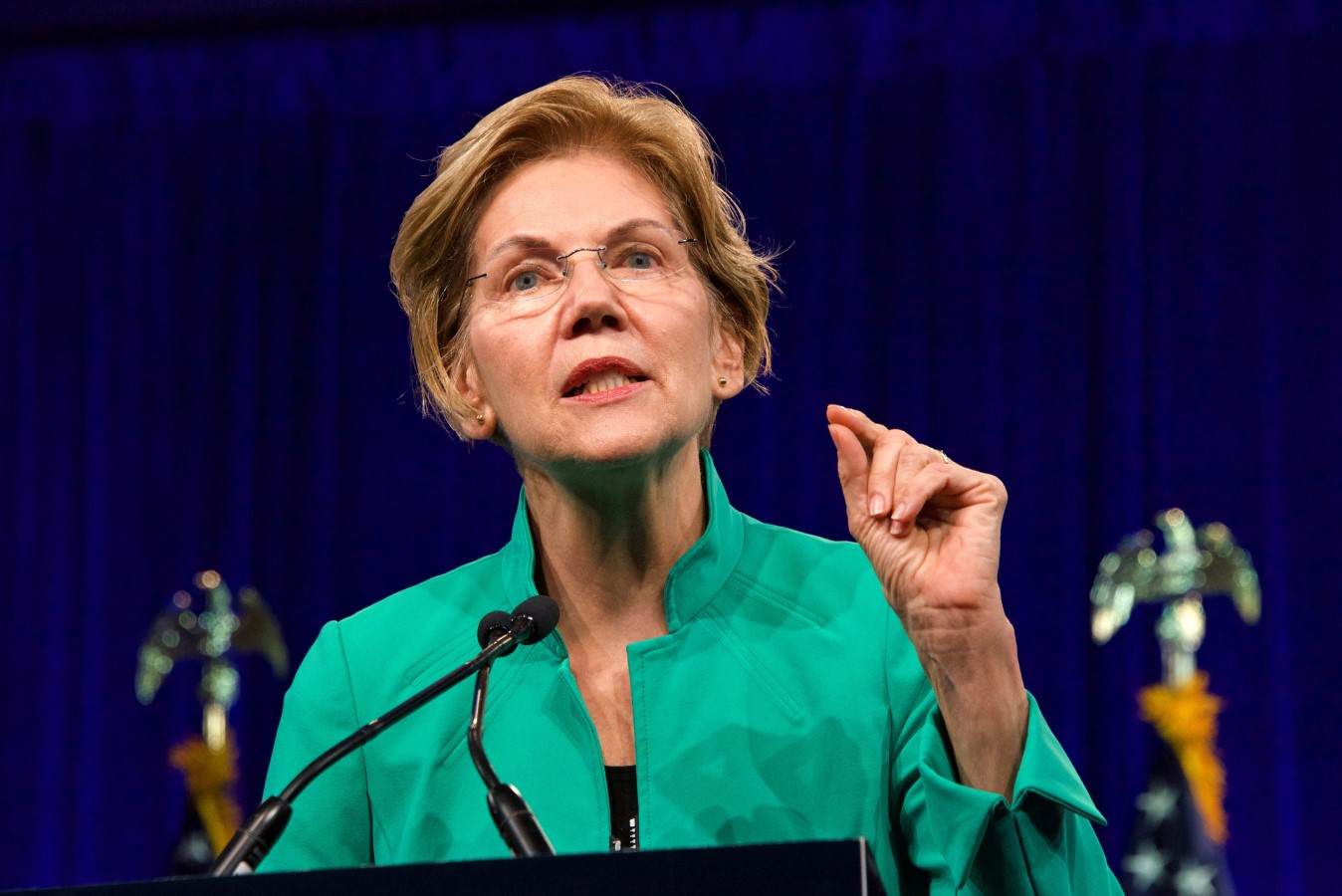
As inflation continues to strain fixed incomes, Senate Democrats have introduced a proposal to temporarily boost Social Security and veterans’ benefits by $200 per month. The plan; framed as an emergency measure, would run for six months starting in early 2026, giving retirees some extra room to manage escalating costs for groceries, medical care, utilities, and housing.
Elizabeth Warren Pushes $200 Monthly Social Security Boost as Seniors Say They’re ‘Falling Behind’

John Dealbreuin came from a third world country to the US with only $1,000 not knowing anyone; guided by an immigrant dream. In 12 years, he achieved his retirement number.
He started Financial Freedom Countdown to help everyone think differently about their financial challenges and live their best lives. John resides in the San Francisco Bay Area enjoying nature trails and weight training.
Here are his recommended tools
Personal Capital: This is a free tool John uses to track his net worth on a regular basis and as a retirement planner. It also alerts him wrt hidden fees and has a budget tracker included.
Platforms like Yieldstreet provide investment options in art, legal, real estate, structured notes, venture capital, etc. They also have fixed-income portfolios spread across multiple asset classes with a single investment with low minimums of $10,000.